Unveiling the Alchemy of Industry: Industrial Mineral Processing and Its Impact on Colemanite Communities
In the intricate tapestry of modern industry, few threads weave through as many sectors as industrial mineral processing. This field encompasses the transformation of raw minerals into usable materials, driving everything from construction to technology. For the Colemanite community and those invested in mineral resources, understanding these processes is essential.
The significance of industrial mineral processing extends far beyond mere extraction; it shapes global markets, influences local economies, and dictates sustainable development strategies. As we explore this dynamic sector, we uncover how it intersects with the unique properties and applications of Colemanite—a mineral rich in borates.
The Historical Evolution of Industrial Mineral Processing
Dating back thousands of years, the practice of extracting and refining minerals has been pivotal in human civilization. Ancient societies harnessed natural deposits of minerals for tools, pigments, and building materials, laying the groundwork for today’s sophisticated methods. Over time, the demand for refined minerals surged due to rapid industrialization and technological advancement.
With the advent of mechanized mining techniques during the Industrial Revolution, the scale and efficiency of mineral processing expanded dramatically. Innovations such as flotation cells and high-pressure grinding rolls transformed the landscape of mineral extraction and refinement, setting new benchmarks for productivity and quality control.
- Rise of Mechanization: The shift from manual labor to automated systems significantly increased output rates while reducing operational costs.
- Environmental Awareness: Growing concerns over ecological impact prompted the adoption of cleaner technologies aimed at minimizing waste and pollution.
Understanding Key Processes in Industrial Mineral Processing
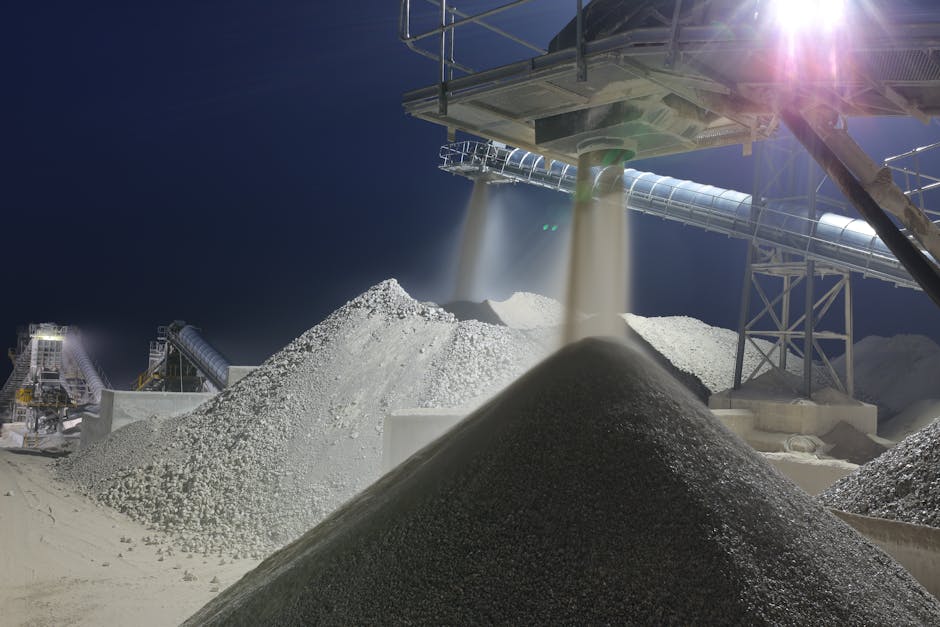
Industrial mineral processing involves several critical stages, beginning with ore concentration, which separates valuable minerals from gangue material. Techniques like magnetic separation and gravity concentration play crucial roles in achieving higher purity levels necessary for various applications.
Following concentration comes the smelting phase, where concentrated ores undergo thermal treatment to extract metals or produce chemical compounds. This stage often utilizes advanced furnaces equipped with precise temperature controls to optimize yield and reduce energy consumption.
Technological Advancements Driving Efficiency
Recent decades have witnessed remarkable strides in automation and digital integration within mineral processing facilities. Technologies such as artificial intelligence and machine learning now aid in predicting equipment failures and optimizing production schedules based on real-time data analytics.
Moreover, innovations in sensor technologies enable continuous monitoring of process variables, allowing for immediate adjustments that enhance product consistency and minimize downtime. These developments not only boost operational efficiencies but also contribute positively towards safety standards across processing plants.
Colemanite: A Unique Case Study in Borate Minerals
Colemanite stands out among borate minerals due to its distinctive composition and wide-ranging utility. Composed primarily of calcium borosilicate, it serves vital functions in producing borax, boric acid, and other derivatives used extensively in glass manufacturing, ceramics, and fireproofing agents.
The geographical distribution of Colemanite deposits influences regional economies heavily reliant on its extraction and processing. Countries endowed with significant reserves experience fluctuations tied closely to international market demands for borated products, making strategic management imperative.
Economic Implications for Local Communities
Local communities surrounding Colemanite mines often derive substantial economic benefits from related activities including transportation logistics, supply chain operations, and ancillary services supporting mine infrastructure. Employment opportunities generated directly through mining jobs provide livelihoods for countless individuals.
However, dependency solely on mineral exports can expose regions vulnerable to price volatility inherent in commodity markets. Diversification efforts focused on value-added processing rather than primary exportation offer pathways toward greater resilience against external shocks affecting trade dynamics globally.
Sustainability Challenges and Opportunities
As awareness grows regarding environmental stewardship, pressure mounts on industrial mineral processors—including those dealing with Colemanite—to adopt greener methodologies. Practices ranging from water recycling initiatives to utilizing renewable energy sources become increasingly pertinent considerations.
Balancing profitability with ecological responsibility presents ongoing challenges requiring innovative solutions. Investments into research aiming at developing less invasive extraction techniques alongside enhanced reclamation programs represent promising avenues forward.
Case Studies Highlighting Success Stories
Several successful case studies illustrate effective implementations of environmentally conscious approaches within the realm of industrial mineral processing. One notable instance includes companies employing closed-loop water systems drastically reducing freshwater withdrawals during milling operations—an approach beneficial both economically and ecologically.
Furthermore, adopting circular economy principles allows businesses to repurpose byproducts previously considered waste into secondary markets thereby enhancing overall resource utilization efficiency while simultaneously lowering disposal-related liabilities.
Futuristic Trends Shaping Tomorrow’s Mining Landscape
The future of industrial mineral processing appears poised for transformative changes driven largely by emerging technologies and shifting consumer preferences. Emerging trends suggest a growing emphasis placed upon transparency along entire supply chains coupled with heightened expectations concerning ethical sourcing practices.
Advances in remote sensing capabilities combined with predictive modeling software empower stakeholders to assess potential sites remotely prior to physical exploration thus conserving precious time and resources associated traditionally with site assessments conducted manually.
Global Market Dynamics Influencing Colemanite Trade
Colemanite’s role in global commerce hinges critically upon prevailing geopolitical conditions influencing access routes, tariffs imposed internationally, and fluctuating exchange rates impacting import/export viability. Strategic partnerships formed amongst exporting nations help stabilize trading relationships amidst turbulent macroeconomic environments.
Additionally, regulatory frameworks governing cross-border transactions evolve continuously necessitating vigilant adherence by involved parties to avoid legal repercussions stemming from non-compliance issues arising from misinterpretation of complex trade laws applicable across jurisdictions.
Community Engagement Strategies Enhancing Social Responsibility
To foster harmonious coexistence between industrial operations involving Colemanite extraction and resident populations living nearby, proactive engagement mechanisms prove indispensable. Regular dialogues facilitated via town hall meetings or virtual platforms serve as conduits promoting mutual understanding and shared goals.
Investing in educational outreach programs designed specifically targeting youth demographics ensures long-term support bases develop organically rooted firmly in informed citizenry capable of contributing meaningfully towards sustainable developmental outcomes aligned with communal interests.
Conclusion
This exploration into industrial mineral processing underscores its multifaceted nature encompassing historical roots, contemporary practices, socio-economic ramifications, and evolving technological paradigms shaping tomorrow’s landscape. Understanding these dimensions equips us better appreciate complexities entwined within our reliance upon earth’s finite treasures like Colemanite.
By embracing innovation responsibly while nurturing strong ties with affected communities, stakeholders hold considerable power steering progress ethically grounded securely anchored within principles advocating fairness, inclusivity, and enduring prosperity benefiting generations ahead.

news is a contributor at Colemanite. We are committed to providing well-researched, accurate, and valuable content to our readers.